
Mechanical Driving Glass Bioreactor
Over 25 years production experience
Your Reliable Mechanical Driving Glass Bioreactor Manufacturer in China: Ferbio
Ferbio Biotechnology is a leading manufacturer of mechanical drive glass bioreactors in China. Our product range covers a full spectrum of bioreactors for laboratory, pilot-scale, and industrial production, including fermenters, animal cell bioreactors, plant cell bioreactors, single-use bioreactors, liquid dispensing systems, and disposable reactors.
We design and manufacture bio-fermenters ranging from 0.1L to 1000KL, and offer complete technical services. Ferbio provides intelligent, customized, and comprehensive bioprocess solutions to meet diverse application needs.
Backed by a strong team of experienced engineers in fermentation processes, biochemical equipment, and chemical technology, and supported by well-known experts and scholars serving as technical consultants, Ferbio is committed to creating value for customers. Staying true to our core value of being customer-centric, we continuously strive for innovation, quality, and service excellence.
What is Mechanical Driving Glass Bioreactor GJ Type?
The FERBIO-XGJ series (X indicates the total tank volume) is a mechanical drive glass bioreactor designed for laboratory use, offering powerful functionality to support various fermentation processes, including batch, fed-batch, and even animal cell culture.
Equipped with a 10-inch color touchscreen, the system displays all measured values and control parameters in real time, providing a user-friendly interface and simplifying operation. The standard configuration includes four peristaltic pumps, conveniently mounted on the front of the control box, for the automatic addition of acid, alkali, defoamer, and medium into the fermenter.

The Mechanical Driving Glass Bioreactor Has Simple Structure and is Easy to Operate
Key fermentation parameters such as pH, DO, temperature, and agitation speed can be continuously monitored and controlled via the integrated controller. All data and control parameters can be transmitted to the controller or a connected computer for real-time monitoring and data logging.
The mechanical drive glass bioreactor features a compact, integrated design, allowing all essential components to be efficiently arranged within the system. It uses an upper-driven, direct-coupling mechanical stirring system, which ensures a simple structure, stable performance, and reliable operation.
Cases

1L double mechanical stirirng bioreactor FERBIO-GJ

5L-10L laboratory bioreactor FERBIO-GJ

7L Glass bioreactor used for bacterial culture

5L Four-stage parallel glass bioreactor with chiller and air compressor
Know More About Mechanical Driving Glass Bioreactor
| Parameter | Description |
| Total volume | 0.2L,0.5L,1L,2L,3L,5L,10L,20L,30L,40L etc. |
| Working volume | 50%~70% |
| Tank | Single glass vessel with stainless steel bottom. Lid made by stainless steel 316L with ports, condenser on the cover |
| Stirring system | Mechanical drive(GJ type) or Magnetic drive(GC type, bottom/top drive), 3 six-blade paddle and 1 foam breaker, each paddle height adjustable.Stir speed: 50~1000rpm/50-500rpm |
| Sterilization | Off-site sterilization (Autoclave) |
| Gas control | Control by rotor meter, air flow 2vvm. |
| Feeding | Automatically feeding by peristaltic pump |
| Anti-foam control | Automatically add antifoamer by peristaltic pump |
| Temperature control | Auto-control, electric heating range water source add 5℃ to 70℃ |
| PH control | PH 2.00-12.00±0.1, auto-control adding acid/base by peristaltic pump, pH sensor from Hamilton/Mettler, Switzerland. |
| DO control | 0-150±3% displaying precision 0.1%, DO sensor from Hamilton/Mettler, Switzerland. DO coupling with agitation, oxygen. |
| Sampling | Manual sampling |
| Control parameters | 10 or 15 inch touch screen , Siemens PLC with control parameters (stirring, pH, DO, temperature, feeding, alarm, gas etc.), data analysis, data record, data output, language(RU/EN/CN) and other customized functions |
| Optional configuration | We can customize the parameters of mechanical driving glass bioreactor according to customer needs,such as Remote control, Mass flow meter(auto control gas), O2/N2/CO2, gas(CO2) exhaust analysis, Level sensor, Turbidity(OD) sensor, ORP sensor, weight system, Live cell sensor(Biomass), Printing, Siemens touch screen, etc., |
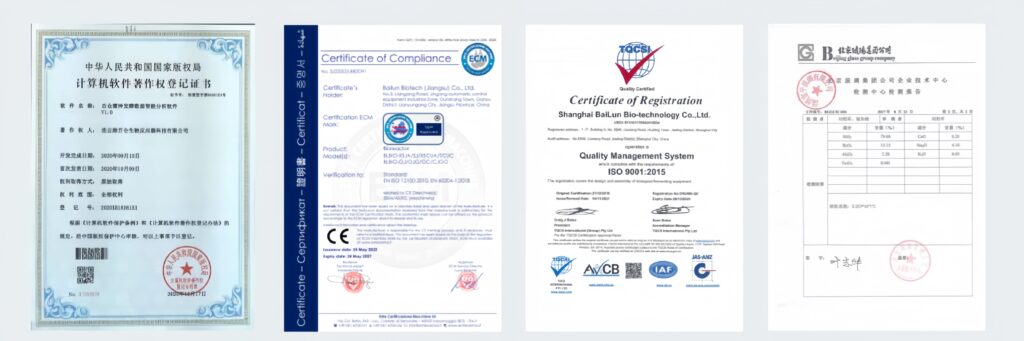
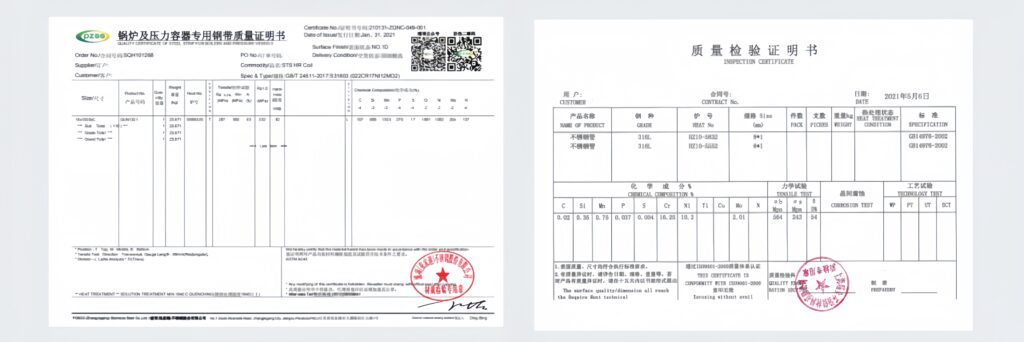
The following picture shows the production workshop of Bailun.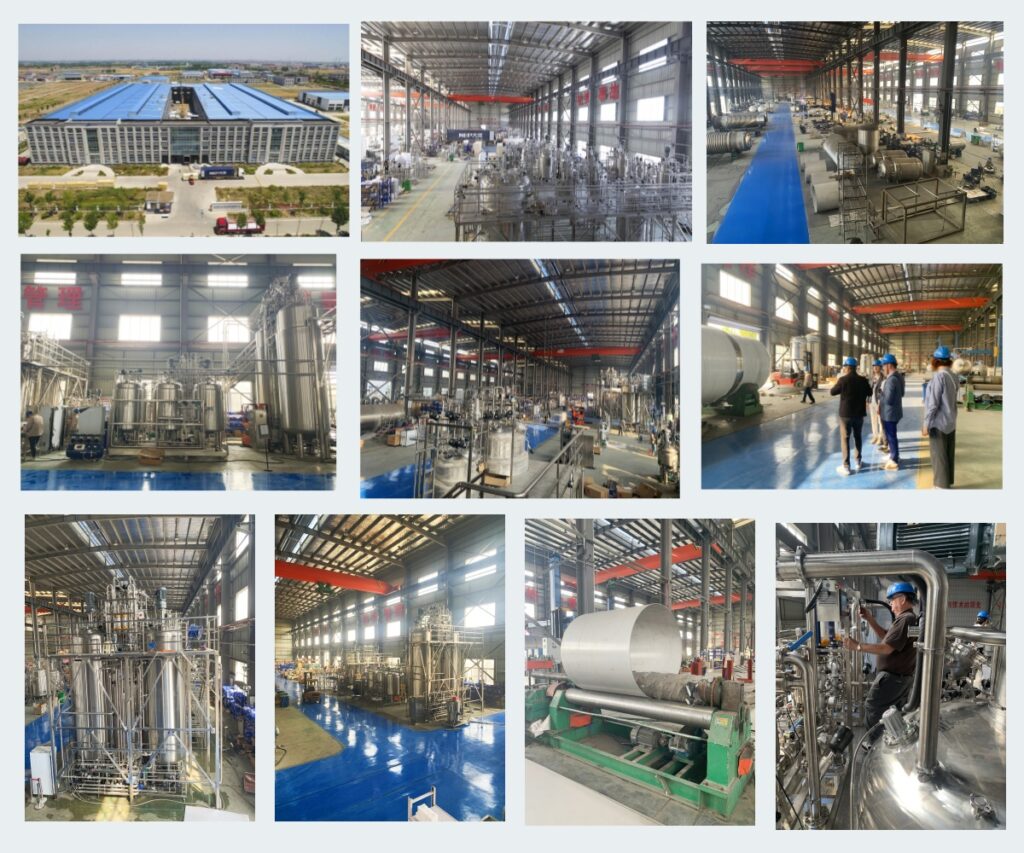
Supporting Equipment
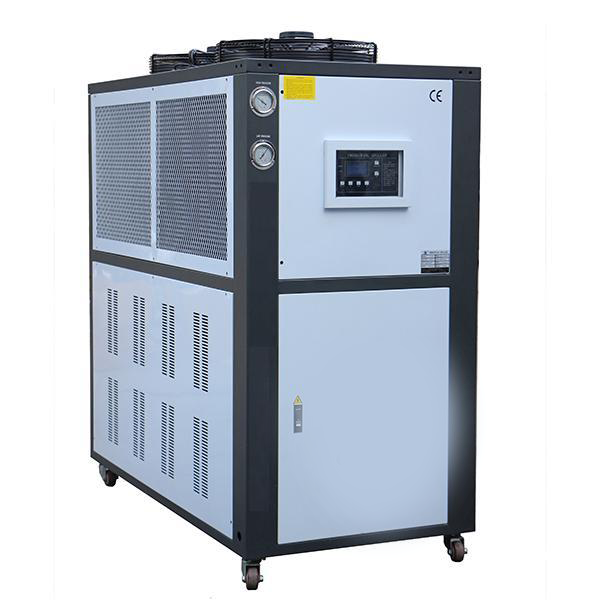
The refrigeration system of a chiller unit consists of four basic parts: compressor, condenser, throttle, and evaporator. Connect the four major components in a certain order using copper pipes to form a closed system, which is filled with a certain amount of refrigerant.
The compressor sucks in low-temperature and low-pressure Freon gas from the evaporator, compresses it into high-temperature and high-pressure Freon gas, and then flows through a thermal expansion valve (capillary tube), throttling it into a low-temperature and low-pressure Freon liquid two-phase object. Then, the low-temperature and low-pressure Freon liquid absorbs heat from indoor air in the evaporator, and the cycle of compression condensation throttling evaporation is repeated.

The Ferbio steam generator uses well-known imported accessories, which are corrosion-resistant and finely crafted. Fast steam production in one minute, with a thermal efficiency of up to 100.27%. Clean steam, sufficient gas production, can provide stable steam for a long time, ensuring the required heat energy during the drying process. Advanced vertical cross flow structure, using 12Cr1MoVG high-pressure boiler steel and stainless steel laser fins with extremely high heat transfer efficiency, no explosion risk, safer equipment, and better steam quality.
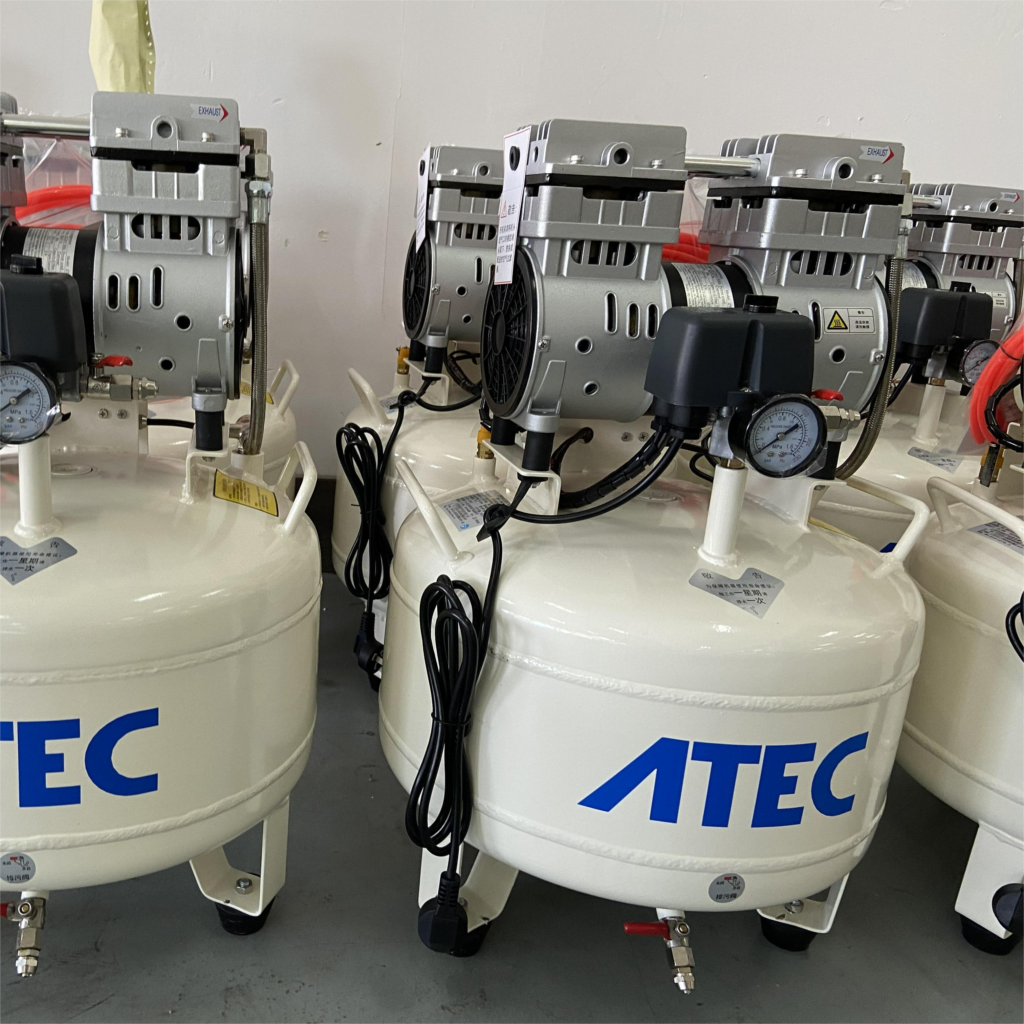
Ferbio air compressor is an oil-free and silent air compressor equipped with a domestically produced powerful air pump and a gas tank with built-in anti-corrosion coating. It has a high cost performance and is used as a supporting equipment for bioreactors. Has the following characteristics:
● Independently produce machine heads and components;
The machine is equipped with multiple automatic protection systems for safer use;
● Easy to operate, ready to use upon power connection, automated design, no need for dedicated personnel to operate the work;
●Low noise during work, original oil-free piston system, high efficiency, low loss, and clean gas discharge;
●Optional double-layer vacuum drying and filtering equipment to meet the supply of high-purity air source and protect user equipment;
Other Products
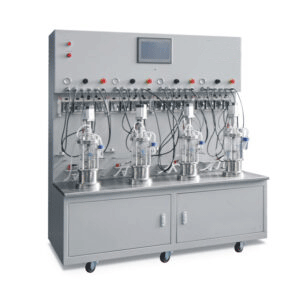
Parallel&Multistage Glass Bioreactor

Magnetic Driving Glass Bioreactor

Single Wall Glass Bioreactor

Double Wall Glass Bioreactor

Sterilizing-in-situ Glass Fermenter
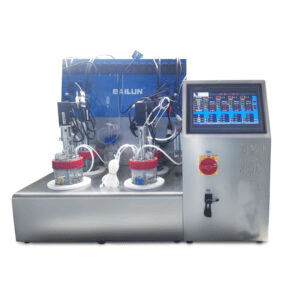
High-throughput Micro-bioreactor without water
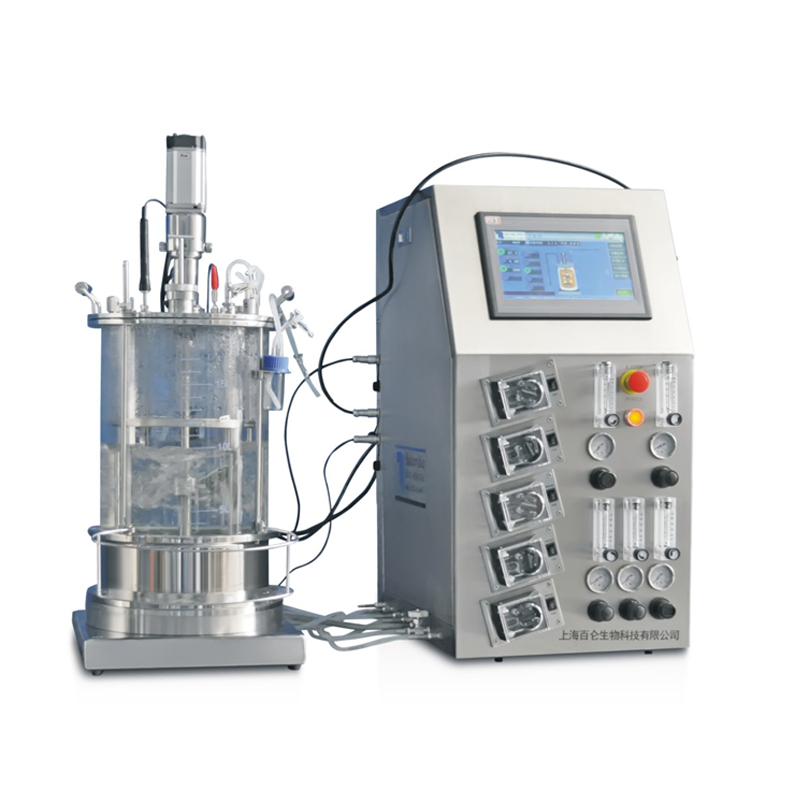
Cell Culture Glass Bioreactor
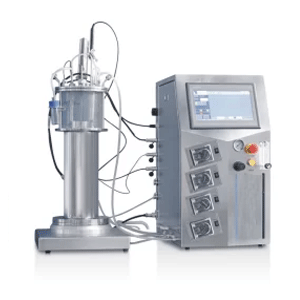
Glass Airlift Fermenter
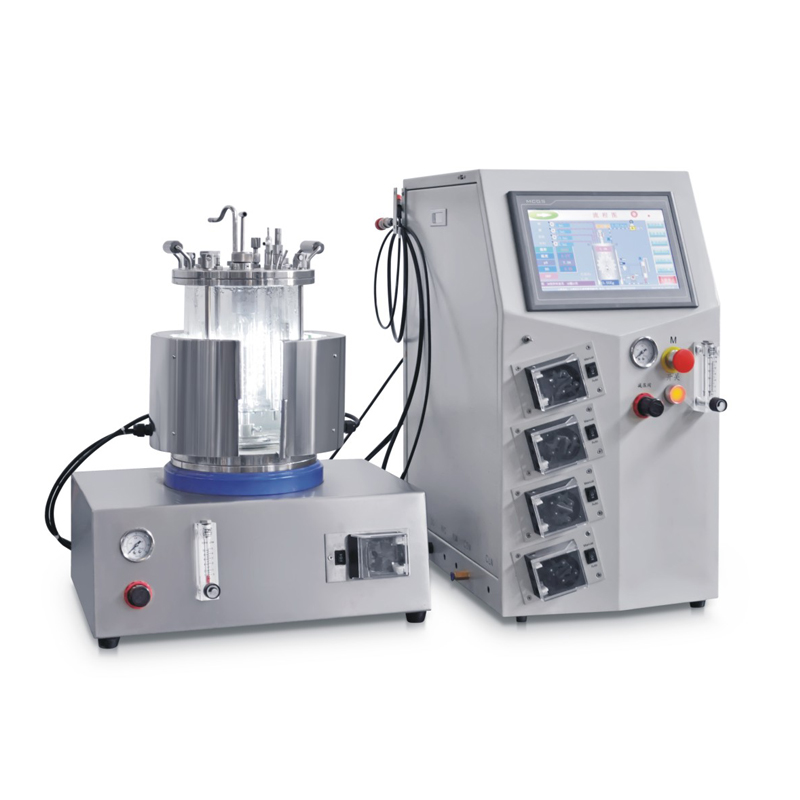
Photobioreactor
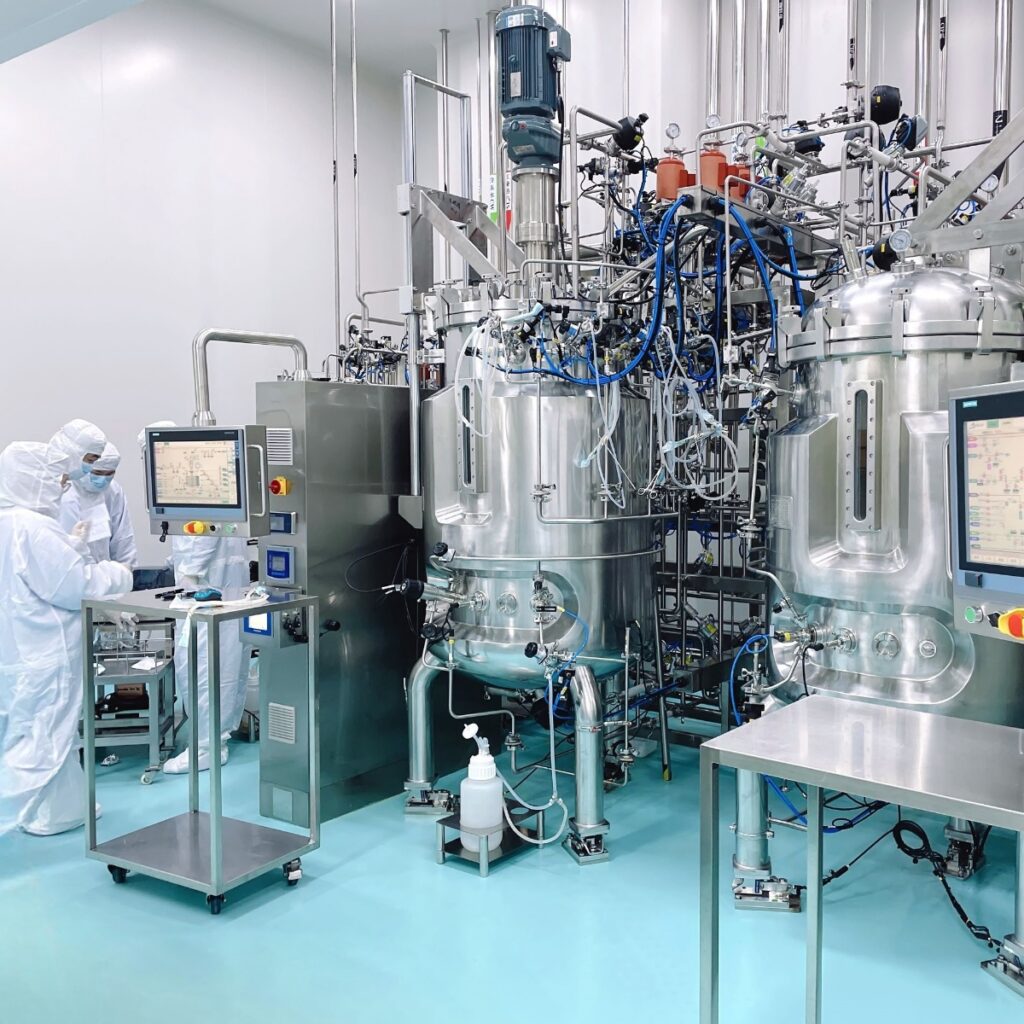
Vaccine Bioreactor(GMP)

Pilot Stainless Steel Bioreactor
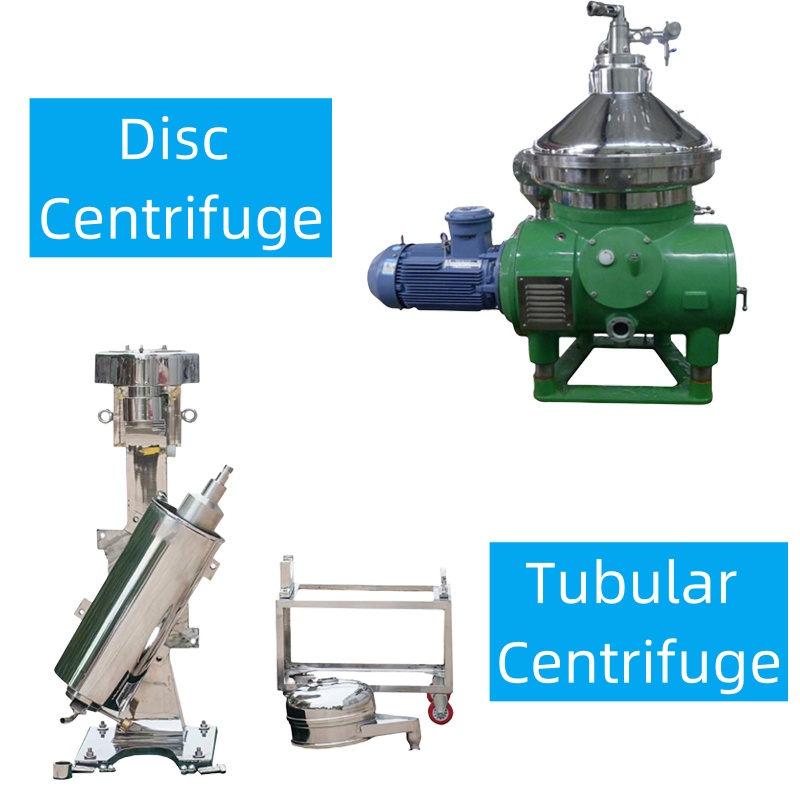
Centrifuge
Cleaning, maintenance and care of the fermenter tank
Cleaning
- The fermenter tank body is the place that comes into direct contact with the material. The degree of its surface finish and the cleanliness of its internal components are factors that directly affect the contamination. Therefore, the tank body and related equipment must be cleaned in time after each fermentation and before reuse. When cleaning, attention should be paid to the electrical components and electrode interfaces, and water and moisture should not be allowed to enter.
- PH and DO electrodes should be taken out before cleaning and maintained according to their requirements.
- The tank can be cleaned together with water intake, air intake, motor stirring and heating. If it cannot be cleaned after multiple water changes, the top cover should be opened and the internal parts of the tank should be brushed with a soft brush. The method is as follows: control the switch and the power switch, remove the top cover electrode, motor and its connection plug. Unplug the air intake hose condenser quick connector and remove the air intake filter upper hose and connector; remove the top cover together with the stirring vertically upward, and place it horizontally on a flat table, pad it well, do not hit the shaft and impeller, and use a neutral detergent to brush the tank body and internal parts.
- Note: When moving and cleaning the tank cover, only the shaft sleeve or top cover can be grasped, and the stirring shaft, impeller and other easily deformed parts cannot be grasped. While cleaning, the tank and outlet valve and other O-rings should be checked. If deformation, aging, scratches, etc. are found, they should be replaced in time. After cleaning and reinstalling, the surface and tank rack should be wiped dry with a rag. Tighten the six fastening screws of the tank cover, use balanced force and pay attention to the balance of the gap between the tank and the tank seat. Be especially careful when cleaning the glass fermentation tank, and do not collide during disassembly and assembly; when tightening the fastening screws of the tank cover, the force must be balanced and pay attention to the balance of the gap to avoid damaging the glass tank body.
Maintenance of the stirring system
- The stirring system includes the stirring shaft, stirring paddle, mechanical seal. Bearings, couplings and motors, etc.
- Daily maintenance: Regularly check the operation of the stirring shaft, the heating of the motor and the emission of abnormal noise, and regularly check whether the relevant bolts are loose.
- Check the wear of the mechanical seal every year to ensure the normal operation of the mechanical seal and avoid unnecessary contamination.
- If a double-end mechanical seal is used, always pay attention to the changes in the sterile water level. If the liquid level drops, it means that the seal gap is leaking, which should be handled immediately after the fermentation is completed.
- Check the wear of the oil seal and the carbon brush of the motor, as well as the wear of the oil seal and the bearing every year.
Maintenance and care of sterilized air system
- The sterilized air system includes air compressor, coarse filter, fine filter, diaphragm valve and air distributor, etc.
- In daily maintenance, attention should be paid to the operation of the air compressor. During the fermentation process, the drain valve of the air storage tank should be drained twice a day. Maintenance and care of the filter The sterilization temperature should be controlled below 125℃
- During the sterilization process, attention should be paid to the sterilization temperature of the filter should be controlled below 125℃. Because the filter material will fall off at too high a temperature, the binder will make the filter ineffective.
- Replacement of filter element.
- Because the air contains a lot of dust, the micropores of the filter element will gradually become blocked after the filter has been used for a period of time. On the one hand, this will increase the resistance, causing serious lack of air flow and increased air pressure drop, thereby affecting the ventilation volume, and may cause bacterial contamination. At this time, it needs to be replaced.
- Due to the large differences in air quality in various places, there is no accurate service life, which can generally reach more than 6 months. The replacement standard is that the minimum air flow is not less than 1.5 times the volume of the tank. (The pressure difference between the pressure reducer outlet and the tank pressure is not less than 1kg/cm2)
- After each fermentation, the air distributor needs to be cleaned. If the properties of the fermentation liquid are similar to water, water can be added to the tank and then compressed air can be passed through for cleaning. If the fermentation liquid is viscous or contains fine particles, it is best to remove the air distributor, unscrew the plug, and rinse with water. At the same time, ensure that the small holes are ventilated smoothly.
Send Inquiry
Our Advantages
Extensive experience and expertise
We have many years of experience in the industry and accumulated a wealthof professional knowledge to provide customers with the best quality products and services.
Diverse product lines
We provide products in the field of bio fermenter and complete control system to provide customers with a full range of solutions.
Strict quality control.
We have always adhered to strict quality management and technological innovation to ensure that our products are always in the leading positionin the industry.
Customer first service concept.
We always stand on the customer's point of view, starting from the customer's needs, to provide customers with the best solution. No matter what customers need, we will meet their needs with a professional attitude and high-quality products.