On the dining table, mushrooms are often served as a home-cooked dish. They are light, savory, and versatile. But you may not know this: these seemingly ordinary edible fungi have a mysterious substance. Scientists call it the “longevity vitamin”—ergothioneine (EGT for short).
This nutrient is a naturally occurring sulfur-containing amino acid derivative. It was first found in ergot fungi in 1909, so it gets its name from this source. It is not like the well-known vitamins C or E, but in recent years, ergothioneine has become a new focus in nutrition and anti-aging research. This is because the unique compound has special stability and targeting ability.
What’s more, the human body cannot make this anti-aging nutrient by itself. It must get it through food. Up to now, edible fungi are the richest and most reliable food source of ergothioneine for humans.
1、Which Mushrooms Are High in This Beneficial Substance?
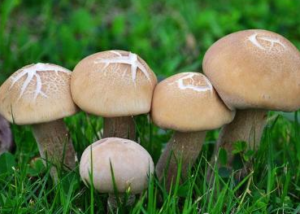
Not all mushrooms are the same. Studies show that the content of this anti-aging compound is very different among different types of edible fungi. Among wild mushrooms, porcini mushrooms (Boletus edulis) are the clear “champion.” Their levels of ergothioneine are much higher than other kinds. Among the cultivated mushrooms we eat every day, enoki mushrooms, shiitake mushrooms, king oyster mushrooms, and oyster mushrooms are good. They do not have as much of ergothioneine as wild mushrooms, but they are stable, easy to get, and people can eat them often.
For example: 100 grams of enoki mushrooms may have dozens of times more of ergothioneine than 100 grams of broccoli. High-end wild mushrooms like matsutake and termitomyces mushrooms sometimes appear on the table, but they are expensive and hard to get in large amounts. So they are not the main food for daily intake. Instead, oyster mushrooms are cheap. They sell for a few yuan a pack in supermarkets. If you eat them often over time, they may quietly give you more of this “longevity factor.”
Of course, the content of this beneficial compound is not fixed. Things like the type of mushroom strain, where it grows, when it is picked, and even how you cook it can affect how much you get. For example, drying mushrooms usually keeps most of this nutrient, but boiling them at high temperatures for a long time may make some of it disappear. However, in general, if you eat mushrooms regularly, you can get ergothioneine steadily.
2、Why Is It Called the “Longevity Vitamin”?
The biggest strength of this anti-aging compound is that it is not just an ordinary antioxidant.
It has a special “transport channel.” There is a transmembrane protein on human cell membranes called OCTN1. It is specifically in charge of sending this nutrient to tissues that are most likely to be damaged by oxidation: the liver, kidneys, eyes, brain, red blood cells… These are exactly the parts of the body where aging and chronic diseases often happen.
Once this beneficial substance arrives, it acts like a calm “cell guardian.” It can effectively get rid of free radicals but does not easily take part in other chemical reactions. So it is very stable and not easy to be used up. What’s more, it can control inflammatory responses. Many modern chronic diseases, such as diabetes, cardiovascular diseases, and neurodegenerative diseases, are related to chronic low-grade inflammation. This compound can both fight inflammation and act as an antioxidant. This dual effect makes it have special potential to prevent these diseases.
Epidemiological studies have even found this: people with higher levels of this nutrient in their blood have slower cognitive decline. They also have longer overall healthy lifespans. The causal relationship still needs more research to confirm, but this fact is enough to make scientists pay close attention to ergothioneine.

3、Eating Mushrooms Isn’t Just for This Beneficial Substance
Of course, we should not make a single ingredient seem magical. Mushrooms have more value than just this anti-aging compound. They are rich in high-quality plant protein, β-glucan, vitamin D precursors, potassium, and dietary fiber. They have little fat and few calories, so people all agree that they are a healthy food. The discovery of ergothioneine just gives us a new scientific reason for why “people who eat mushrooms regularly are healthier.”
Today, food companies have started to pay attention to the functional value of this beneficial substance. They are trying to increase its content through breeding or fermentation technologies. They want to make functional foods with high levels of this nutrient. But until these foods are available, the simplest and most natural way is still: eat mushrooms several times a week.
About Ferbio
Ferbio drives the intelligence and smartization of bioreactors, builds a synthetic biology “strain-to-industrialization” end-to-end platform together with a bioreaction large model, and constructs a precision fermentation big data cloud. By aggregating massive bioreaction data, it enables real-time monitoring, analysis and prediction of fermentation parameters and substance changes, enhances the R&D efficiency and precision of synthetic biology, and promotes the intelligent, efficient and sustainable development of the bioindustry.